
1. India Tightens Procurement, Boosting Domestic Steel Manufacturing
Published by Reuters on April 3, 2025.
Reuters+1
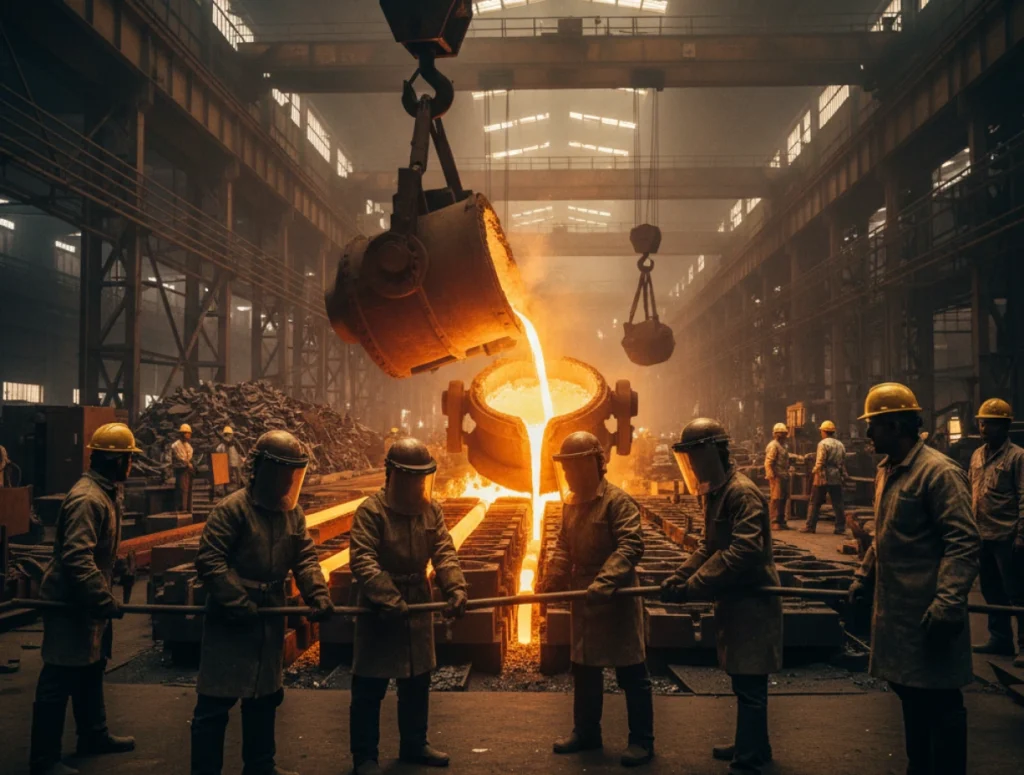
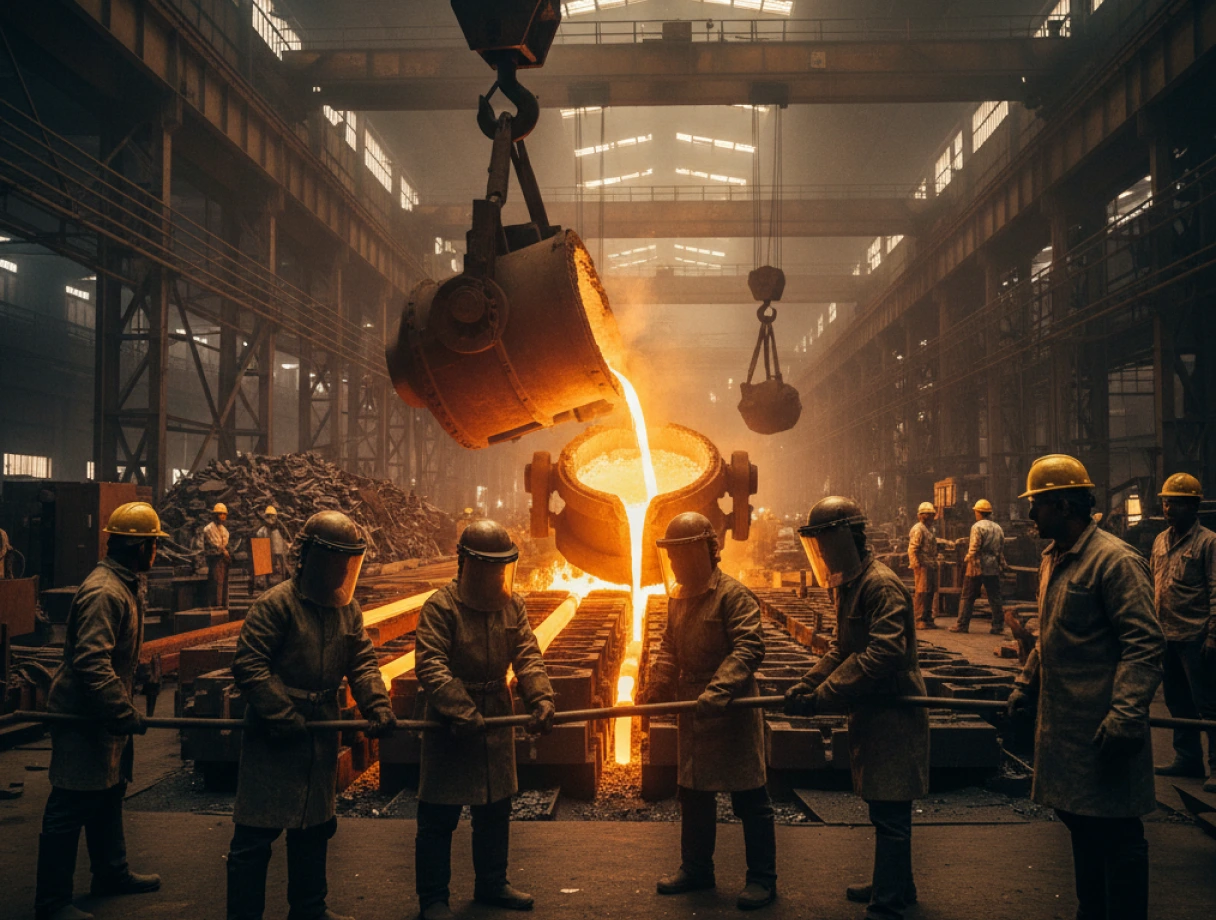
India’s government has implemented the “Domestically Manufactured Iron & Steel Products Policy 2025,” effective from April 1, 2025. Under this policy, all central ministries and government agencies must prioritise locally-manufactured steel products for the next five years. Certifications favouring foreign origin are discouraged, and foreign firms from countries restricting Indian suppliers may be barred from Indian tenders—unless required materials are not produced domestically. The move responds to record levels of finished steel imports, primarily from China, South Korea and Japan, which were threatening India’s domestic steel industry. This policy sharpens India’s self-reliance agenda in steel manufacturing. For manufacturers of steel‐based drums and packaging material—like MS steel drums—the policy means a more favourable procurement environment, improved access to government infrastructure contracts and a strengthened domestic supply ecosystem.
2. India’s Cables & Wires Sector Set to Exceed USD 10 Billion by 2033
Published by Energetica India on July 18, 2025.
The Indian cables and wires industry, valued at roughly USD 6.6 billion in 2024, is forecast to grow to USD 10.9 billion by 2033, according to Infomerics/industry reports. A compound annual growth rate of approximately 5.8 % is expected, driven by infrastructure expansion, renewable energy adoption, and electric vehicles. Power cables alone are projected to increase from USD 6.1 billion to USD 9.5 billion over the period, while telecom and fibre-optic cables are set to rise from USD 1.8 billion to USD 2.9 billion. Key demand drivers include India’s push for 500 GW non-fossil fuel capacity by 2030 and targeted 30 % EV adoption, both of which require large volumes of specialised cabling. Exports are also aided by the global China + 1 strategy, where manufacturers shift supply chains out of China. Nonetheless, the sector faces fluctuations in raw material prices (copper, aluminium, steel), strict quality and certification standards, and competition from informal/unorganised players. For steel-drum and cable-packaging suppliers, this growing cable demand signals increased volumes, more frequent logistics cycles, and higher specification requirements—enhancing the strategic importance of robust packaging and transport solutions.
3. India’s Cables & Wires Industry Forecast to Grow 15-16% in FY 26
Published by CRISIL on March 26, 2025.
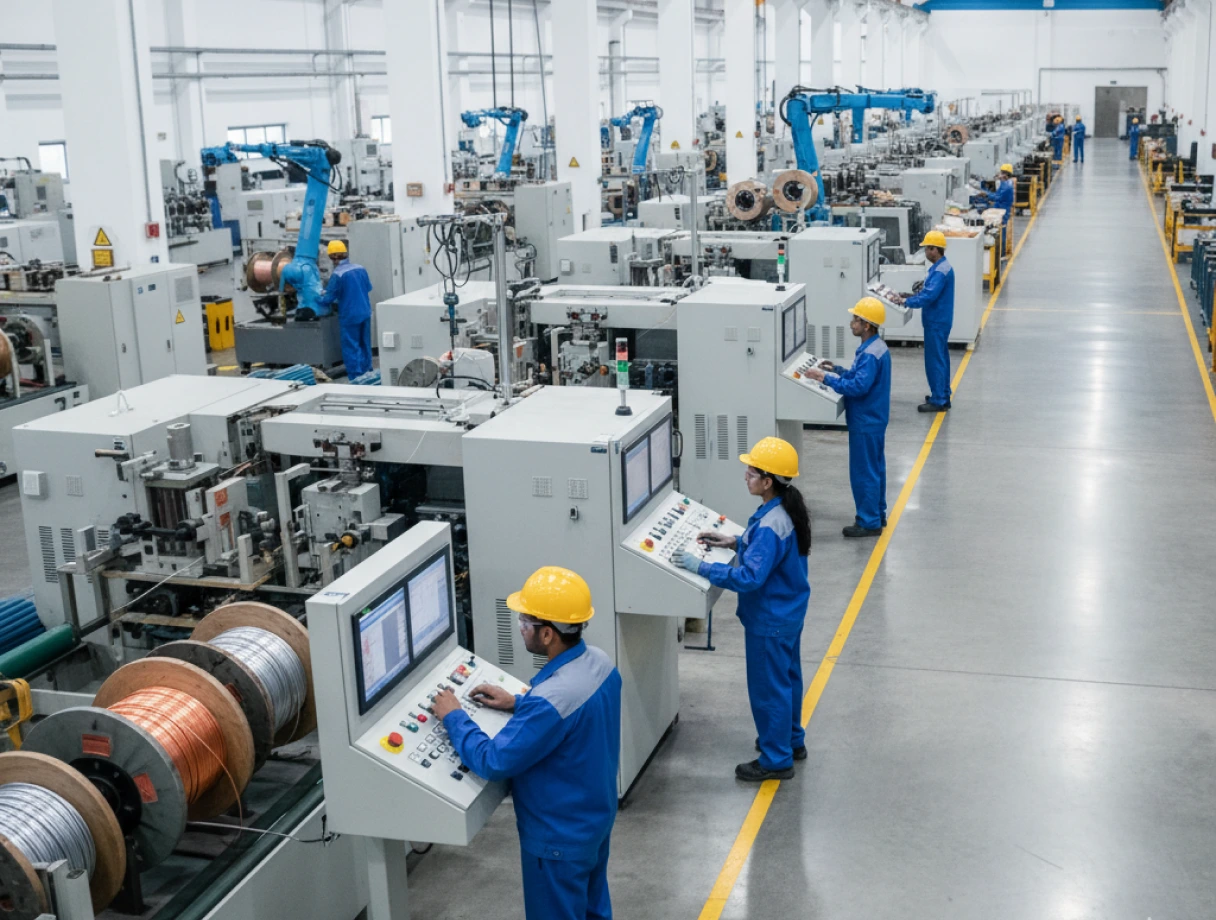
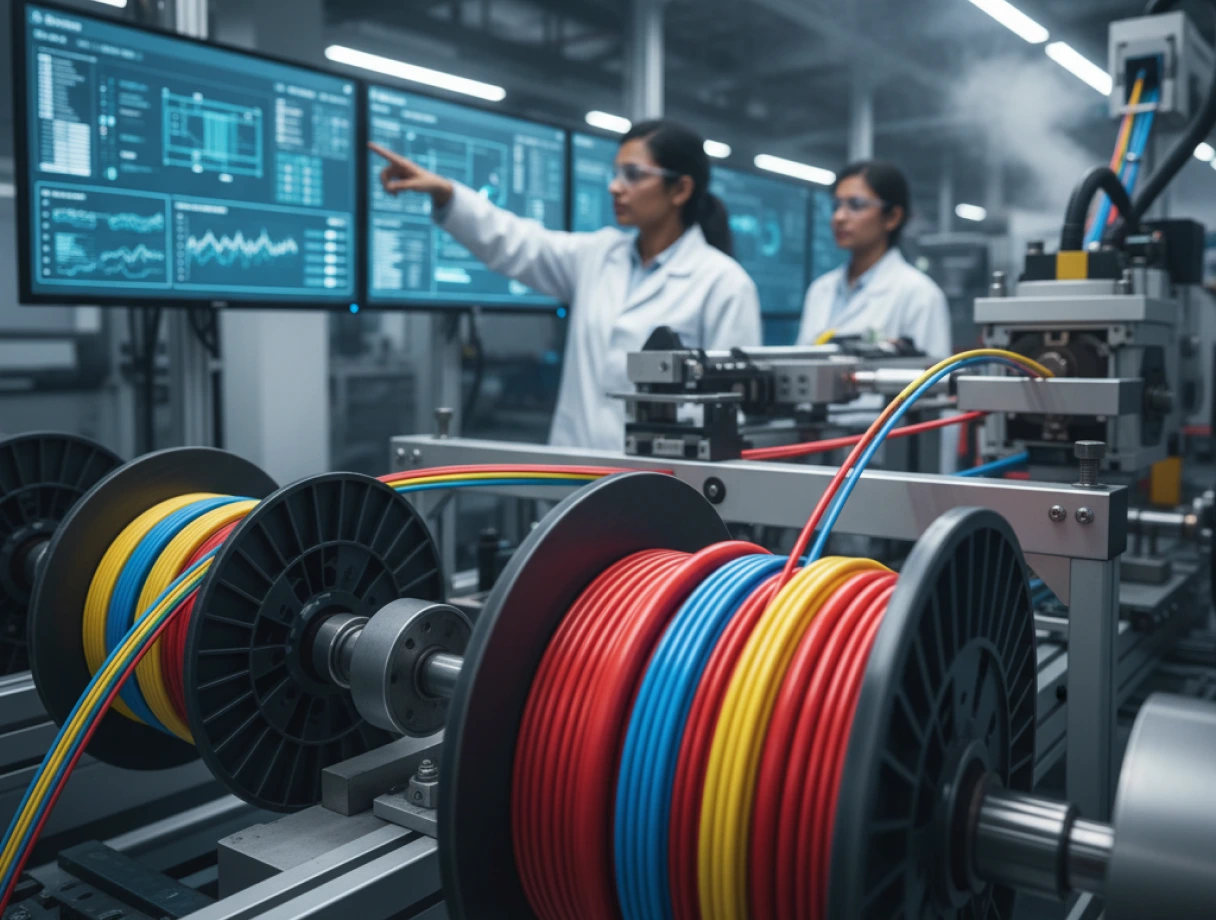
According to a CRISIL Ratings report, India’s organised cables and wires manufacturing sector is expected to report revenue growth of 15-16% in fiscal 2026, following an estimated 16% growth in fiscal 2025. This positive outlook is underpinned by increased investment into end-user segments such as power generation, transmission lines, railways expansion and real-estate infrastructure. Organised players already see capacity utilisation in the 80-85 % range in FY24, prompting a sharp ~70 % surge in capital expenditure in FY25. The report indicates margins remain stable at around 10-11 % despite rising raw-material costs, with manufacturers passing on cost hikes of copper, aluminium and steel (which make up roughly 70 % of input cost). Export opportunities, fuelled by global supply-chain shifts away from China (the “China+1” strategy), are expected to grow 20-22 %. For companies supplying packaging, reels and steel drums, this signals both growth in volume and increased demand for reliability, durability and logistics efficiency.
4. Telangana to Replace 25,000 km Overhead Lines with Underground Cables, Budget ₹13,500 Crore
Published by Times of India on August 3, 2025.
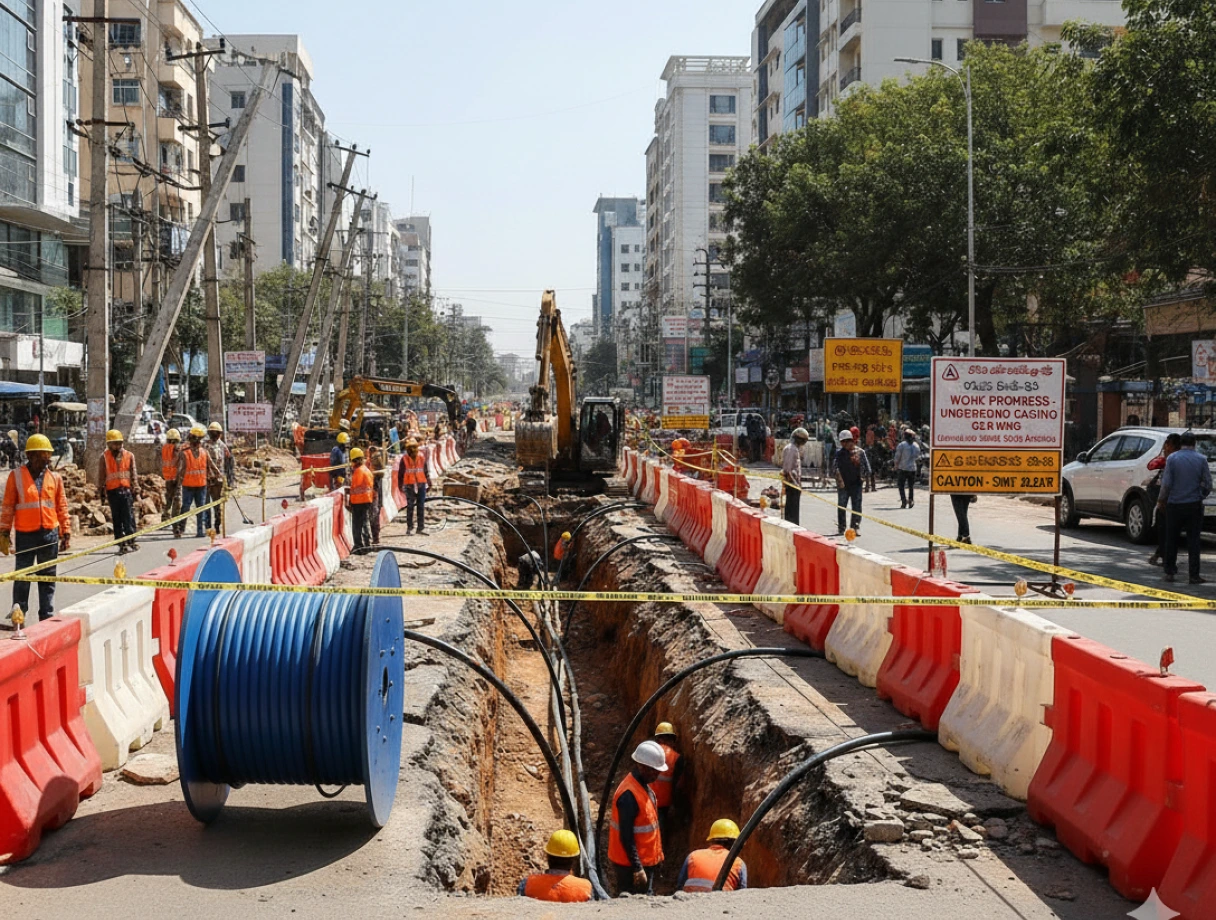
The Government of Telangana, through its state-power distribution firm (TSSPDCL), has announced a large-scale initiative to replace approximately 25,000 km of overhead power lines with underground (UG) cables across the Core Urban Region, including the Greater Hyderabad area and areas up to the Outer Ring Road. The budget for this endeavour is ₹13,500 crore (about USD 1.6 billion). To minimise disruption, horizontal directional drilling technology will be used, avoiding full trench digs. The project addresses recurring storm damage, outages and electricity theft associated with overhead lines, with estimated annual savings of ₹500 crore. Currently only ~1,300 km has been converted, with full execution expected over 4–5 years. For the cable manufacturing and packaging ecosystem, moving cables underground means larger, heavier reels, more protective transit requirements and extended storage logistics—all of which increase demand for strong, reusable steel drums and high-capacity reels.